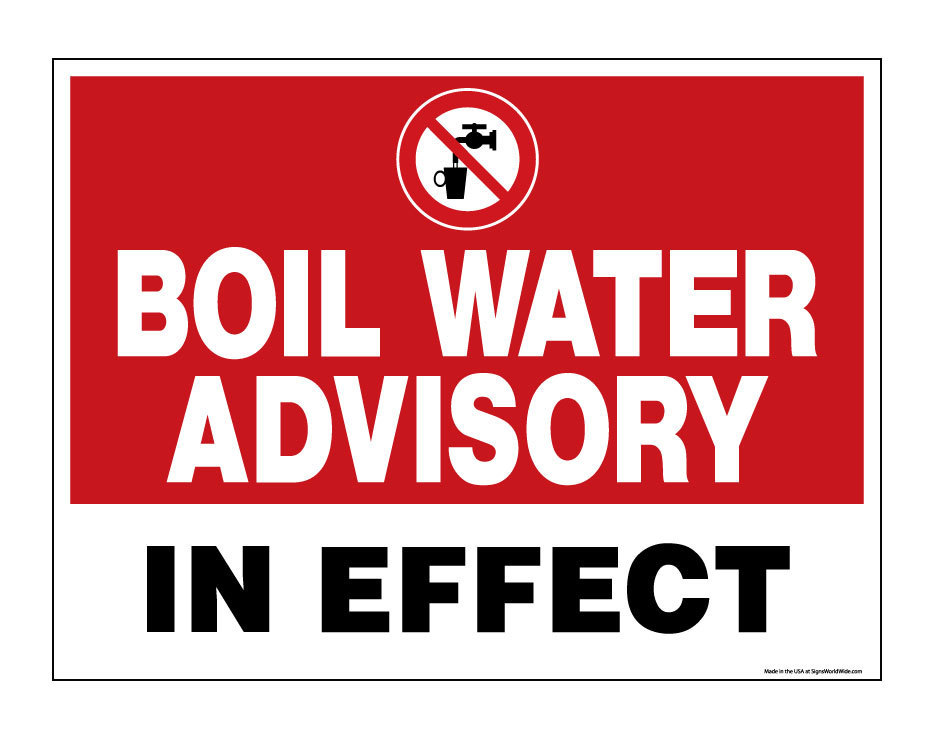
Returning to school while under a boil water notice is not a good idea for several reasons:
First, schools rely on water for basic health and safety needs.
Water is required for drinking, preparing meals, washing hands, flushing toilets, cleaning classrooms, and responding to medical needs. A boil water notice means the water is not considered safe for human consumption, and that creates immediate challenges in a school setting with hundreds of students.
Second, it is extremely difficult to ensure compliance in a school environment.
Young students may forget and drink from water fountains or sinks. Staff would have to constantly monitor water use, shut off fountains, and prevent handwashing with unsafe water. Even with precautions in place, the risk of accidental exposure is high.
Third, food service operations cannot safely function.
School cafeterias depend on water for cooking, cleaning, and sanitation. Operating under a boil notice significantly increases the risk of food safety issues and makes it impractical to serve meals safely and consistently.
Fourth, sanitation and hygiene are critical in schools.
Handwashing is one of the most important ways to prevent the spread of illness. If water cannot be safely used, it compromises hygiene standards and increases the risk of illness spreading among students and staff.
Finally, there is the risk of water service being lost entirely.
In this situation, officials have indicated that water could run out in parts of the county while repairs are underway. If water service is lost during the school day, schools would be forced into an emergency dismissal, creating additional safety and logistical concerns.
In short:
A boil water notice signals that water is not reliable or safe. Schools must meet a higher standard for health and safety, and until clean, dependable water service is fully restored, returning to school would place students and staff at unnecessary risk.